
31°C, New York


Notification products, updates
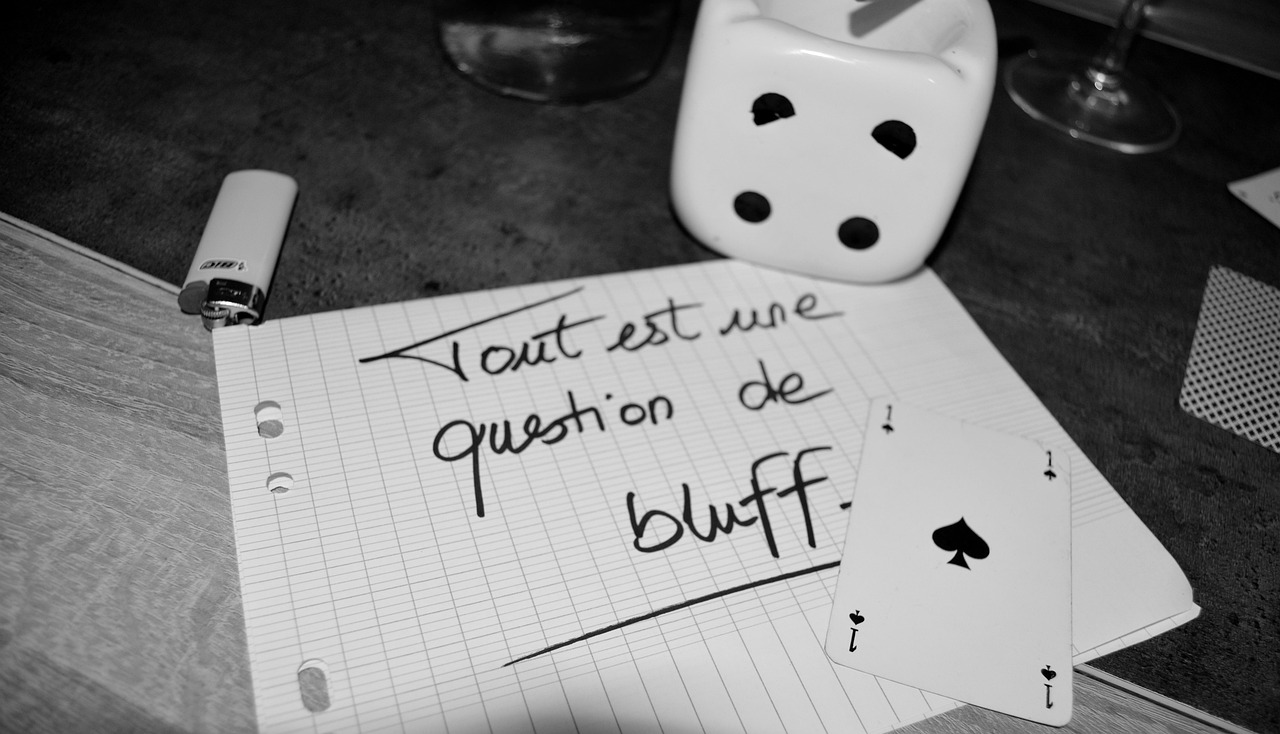
Ask ten gamblers why they lost last weekend and you'll get ten different stories. The slot machine was cold. The dealer was on a heater. The poker site rigged the river. Almost none of them will say the one thing that's actually true: variance happened, and they didn't respect it. If there's a single concept that separates recreational players from people who last more than a few months in iGaming, it's understanding what variance is, how it behaves, and why the math doesn't care about your feelings.
This isn't a lecture about quitting while you're ahead. It's a practical breakdown of how the machines, the tables, and the math behind them actually work, and how you can use that knowledge to make better decisions whether you're spinning slots at 3 a.m. or grinding a five-hour poker session.
Here's the uncomfortable truth about slots: every spin is independent. The machine doesn't know you've lost nine times in a row. It doesn't care. Modern slot software uses a random number generator (RNG) that's constantly cycling through millions of possible outcomes, and the moment you hit spin, it grabs whatever number is active and maps it to a result. Past spins have zero influence on future ones.
That said, not all slots are created equal. The two numbers that matter most are RTP (return to player) and volatility.
Here's a concrete example. Two slots both have 96% RTP. Slot A is low volatility and pays you $0.50 for every $1 you wager on most spins. Slot B is high volatility and pays nothing for 200 spins, then hits you with a 500x multiplier. Same RTP, completely different experience. If you have a $50 bankroll, Slot B will destroy you before the big hit arrives. Slot A will let you play for hours.
The practical takeaway: match volatility to your bankroll and your patience level. If you're playing with $20, don't chase 10,000x max wins on a penny slot. You're buying a lottery ticket with extra steps.
Poker is the one game in the casino ecosystem where a skilled player can have a genuine long-term edge over weaker opponents. But that edge plays out over thousands of hands, not one session. Even Phil Ivey loses individual hands to amateurs. He just wins more over time.
If you're playing Texas Hold'em and you get all-in preflop with aces against a player holding 7-2 offsuit, you win roughly 88% of the time. That sounds incredible. It also means you lose 12% of the time. When that 12% hits, it feels like the universe is punishing you. It isn't. It's just the other 12% showing up. For up-to-date information, visit สล็อตเว็บตรง.
New poker players consistently make a few mistakes that compound over time:
If you're serious about poker, track your results. Not your gut feeling. Actual numbers over 10,000+ hands. Anything less is noise.
Sports betting and casino games share a common thread: you're paying a tax to play, and the size of that tax determines your long-term results. In sports betting, the tax is the vig, also called the juice. When a bookmaker offers -110 on both sides of a point spread, you need to win 52.4% of your bets just to break even. That's the built-in edge.
Sharp bettors focus on two things:
The betting public overwhelmingly bets favorites and overs. That's fine for entertainment, but if profit is the goal, you need to think in terms of implied probability, not hunches. A -200 favorite implies a 66.7% win rate. If you think the actual probability is 75%, that's a bet. If you think it's 60%, it isn't. Simple math, hard discipline.
The math is one thing. The psychology is another. The house doesn't need to cheat to win; it just needs you to keep playing when the math is against you. Short-term wins feel like skill. Long-term losses feel like bad luck or rigged software. Both are cognitive distortions.
A few habits protect you from yourself:
The best operators, and increasingly regulators in most major markets, push transparency because it protects everyone. Published RTP, game certifications from labs like eCOGRA or GLI, verified RNG audits, deposit limits, session timers, self-exclusion tools. None of these are profit-killers. They're what make the difference between an entertainment product and a trap.
When you play on a licensed platform, you're dealing with verified math. When you play elsewhere, you aren't. That distinction matters more than any bonus offer.
Here's the honest truth that most iGaming content won't tell you: the house edge wins in the long run for almost everyone. Slots, house games, most sports bets, all of them are structured so the operator profits over millions of spins and bets. A small percentage of skilled poker players and sharp bettors can beat the math consistently, but that takes years of study, discipline, and serious volume.
So the smart play is to treat gambling as what it is: entertainment with a cost. Know your RTP, respect volatility, size your bets to your bankroll, and understand that losing streaks aren't cosmic punishment, they're just statistics doing their job. The players who last are the ones who stopped treating variance like an enemy and started treating it like weather. You don't argue with rain. You just bring an umbrella.

The Cottage Meadow shares practical, down-to-earth guidance on british cottage gardening, rural crafts and simple countryside living for readers across the UK.
Stay Tuned With Updates


Leave A Comment